Beyond the Bottom Line: Orchestrating AI-Driven Procurement Ecosystems for Australian SMEs in 2026
Discover how Australian SMEs are revolutionising operations by leveraging AI for intelligent consumables sourcing, automated spend analysis, and supplier resilience.
The Shift Toward Intelligent Procurement Ecosystems
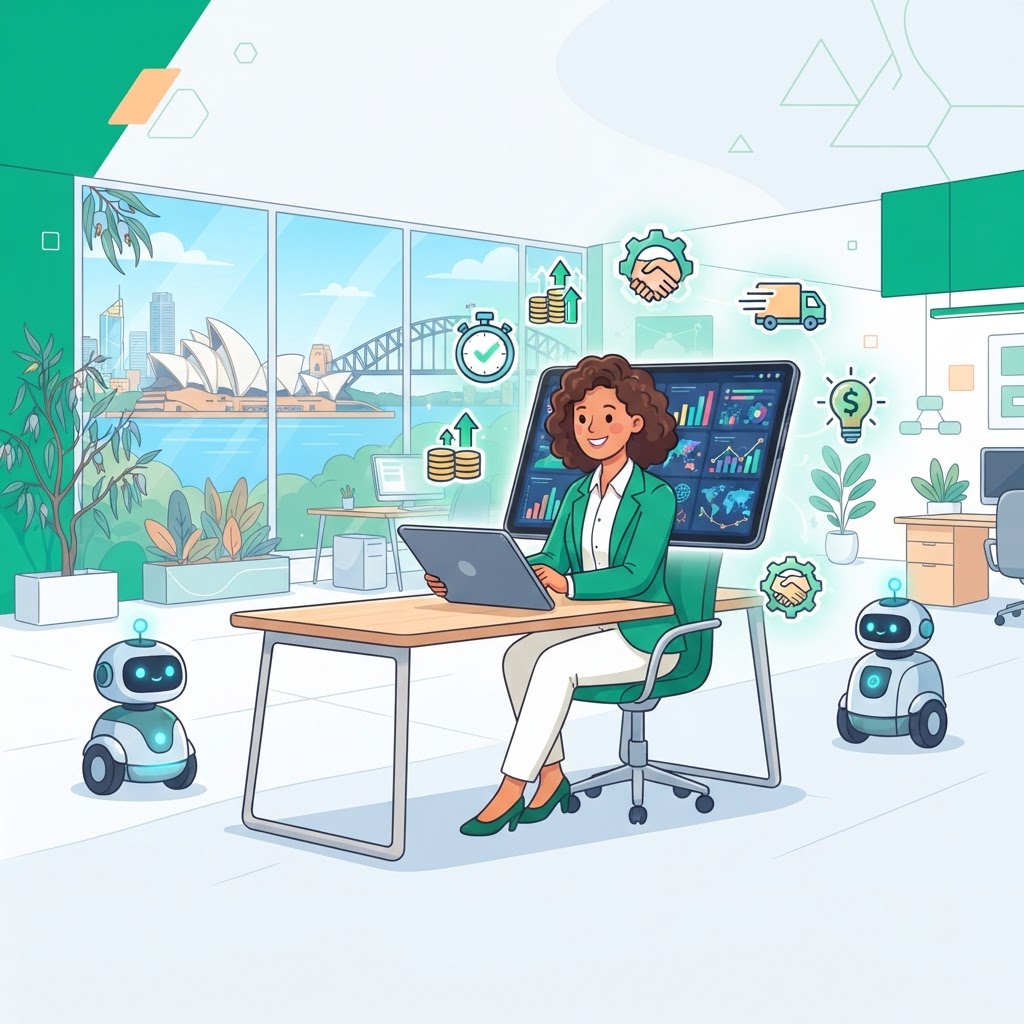
In the rapidly evolving landscape of 2026, Australian SMEs are moving past manual procurement workflows to embrace integrated AI-driven ecosystems. The traditional, spreadsheet-heavy approach to buying office supplies and operational consumables is increasingly being replaced by dynamic platforms that anticipate needs before they arise. By embedding AI procurement tools into the heart of business operations, local firms are achieving a level of agility that was once reserved for global corporations.
This transformation is not just about automation; it is about visibility. As businesses navigate the volatile AUD and shifting market conditions, having a clear view of where every dollar goes is critical. AI-powered platforms now provide the transparency required to remain compliant with ATO reporting standards while simultaneously streamlining the day-to-day purchasing of essential inventory.
Mastering Spend Analysis for Competitive Advantage
For many small businesses, spend analysis is a reactive process performed once a quarter. However, modern AI-driven spend analysis tools allow Australian operators to categorise expenditures in real-time. By identifying patterns in purchasing behaviour, businesses can uncover hidden opportunities to consolidate orders and reduce delivery fees, effectively lowering the Total Cost of Ownership (TCO) for every consumable item procured.
Furthermore, these insights allow management to shift their focus from tactical firefighting to strategic growth. When data is clean and actionable, decision-makers can confidently negotiate volume discounts with local wholesalers. This analytical rigour ensures that procurement teams are not just buying goods, but actively contributing to the bottom line by eliminating waste and identifying high-margin vendor alternatives.
Revolutionising Consumables Sourcing Through Machine Learning
Consumables sourcing often presents the greatest challenge for SME operations managers, as it involves a high volume of low-value items that drain time and administrative resources. AI sourcing assistants have changed this dynamic by automatically suggesting product substitutions based on price, reliability, and sustainability ratings. This ensures that the procurement process remains uninterrupted, even when specific suppliers face stock shortages or logistical delays.
By leveraging AI, Australian SMEs can finally escape the 'tyranny of the manual order'. Systems now suggest reorder points based on historical consumption rates and seasonal demand spikes, rather than static safety stock levels. This proactive approach ensures that staff always have the resources they need to serve customers, while the business avoids the trap of over-ordering and tying up precious working capital.
Building Robust Relationships with a Dynamic Supplier Scorecard
Supplier management is the backbone of operational stability, yet many businesses rely on subjective memory rather than objective data. Implementing a dynamic supplier scorecard powered by AI allows procurement leads to grade vendors on reliability, quality, and responsiveness automatically. By aggregating feedback and delivery data, businesses can foster stronger relationships with high-performing Australian suppliers who consistently meet performance benchmarks.
This data-centric approach to management also makes it easier to navigate regulatory requirements set by the ACCC, as vendor compliance and audit trails become transparent and easily retrievable. When performance metrics are shared with suppliers, it encourages a collaborative environment where both parties work together to improve delivery times and product quality. This shift transforms the supplier-buyer relationship from a transactional interaction into a strategic partnership.
Driving Value with Automated Reverse Auctions
The use of reverse auctions was once considered too complex or time-consuming for smaller entities. Today, AI-managed reverse auction modules have democratised access to competitive bidding. By allowing multiple pre-vetted suppliers to compete in real-time, SMEs can ensure they are securing the best market price for high-value purchases or bulk supply contracts without the need for endless email negotiations.
This methodology brings professional-grade procurement tactics to the Australian SME sector, providing a level playing field. As suppliers know they are competing in a transparent, AI-facilitated environment, they are more likely to submit their most competitive pricing upfront. The result is a more efficient acquisition process that respects the time of both the buyer and the vendor, leading to faster deal closures and improved project delivery timelines.
Conclusion: The Future of SME Procurement is Now
As we navigate the second half of 2026, the adoption of AI-led procurement is no longer a luxury but a necessity for Australian SMEs aiming to scale sustainably. From deep-dive spend analysis to the intelligent management of consumables, technology is empowering business leaders to make decisions that are both financially sound and operationally resilient. By embracing these digital tools, your organisation can turn procurement into a proactive engine for growth.
The path forward requires a willingness to transition away from legacy habits and embrace a data-first mentality. Whether you are automating your supplier scorecard or experimenting with reverse auctions, the goal remains the same: creating a resilient, efficient, and cost-effective supply chain that keeps your business competitive in an increasingly complex global market.
Topics