Procurement 2026: Leveraging AI for Intelligent Supplier Diversification in Australia
Discover how Australian SMEs are leveraging AI to diversify supply chains, optimise consumables sourcing, and mitigate risk with data-driven insights in 2026.
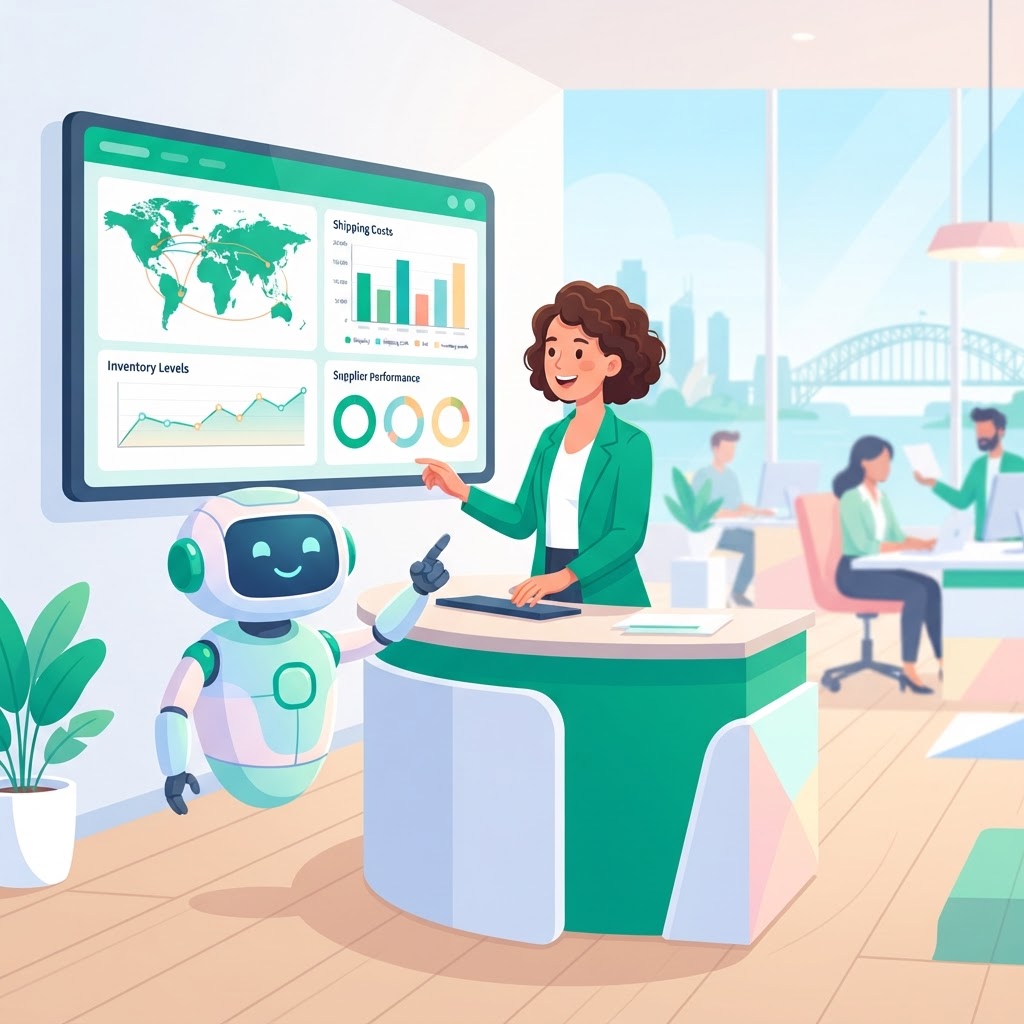
The Shift Towards Intelligent Supplier Diversification
In the rapidly evolving landscape of 2026, Australian SMEs are moving beyond traditional procurement methods to embrace more robust, AI-supported strategies. For many local businesses, the reliance on single-source suppliers has proven to be a bottleneck during periods of economic volatility. By integrating AI procurement tools, leaders can now identify and onboard alternative suppliers at record speeds, ensuring that local operations remain fluid even when global supply chains face disruption.
Artificial intelligence is no longer a luxury; it is the backbone of modern operations. When businesses use AI to map their current supplier networks, they gain unparalleled transparency. This visibility allows procurement managers to identify geographic concentration risks and pivot towards local Australian suppliers when international logistics costs spike. By leveraging predictive analytics, organisations can proactively diversify their partner ecosystems before a crisis hits.
Transforming Consumables Sourcing with AI Precision
Consumables sourcing represents a significant portion of an Australian SME's indirect spend, yet it is often managed through fragmented, manual processes. By applying AI to this category, businesses can automate replenishment cycles and ensure that they are always purchasing at the most favourable AUD price points. Modern AI systems monitor market fluctuations and adjust purchasing volumes automatically, reducing waste and ensuring stock levels remain optimal.
Moreover, AI sourcing platforms allow managers to track the carbon footprint and social governance of their consumables suppliers. This level of granularity helps Australian businesses meet their reporting obligations while maintaining compliance with local regulations, including standards set by the ACCC. Moving from ad-hoc ordering to AI-orchestrated replenishment transforms a recurring headache into a strategic asset.
Mastering the Supplier Scorecard for Better Performance
The traditional spreadsheet-based supplier scorecard is becoming obsolete. In 2026, high-performing Australian SMEs are using automated AI engines to generate real-time performance insights. By pulling data from invoice histories, delivery timelines, and quality reports, the system automatically updates the scorecard, providing an objective view of every vendor in the network. This eliminates bias and allows procurement teams to focus their efforts on managing relationships with high-value partners.
These dynamic scorecards are essential for maintaining supply chain health. When a supplier’s performance drops, the AI alerts the procurement team immediately, suggesting corrective actions or identifying potential replacement options. This proactive approach to supplier management ensures that businesses are not caught off guard by service failures, protecting their bottom line and ensuring that operational workflows remain uninterrupted.
Driving Savings through AI-Enabled Spend Analysis
Deep spend analysis is the foundation of any successful procurement strategy. Many Australian SMEs struggle with 'shadow spend,' where departments purchase goods outside of established contracts. AI tools now bridge this gap by categorising spend automatically and flagging anomalies. By achieving granular visibility into where every dollar goes, finance teams can uncover significant cost-saving opportunities that were previously hidden in complex ledgers.
Furthermore, this data is critical for preparing annual financial reports and ensuring compliance with ATO requirements. By consolidating data across all departments, businesses can gain a holistic view of their purchasing power. This transparency enables smarter negotiations and more effective budgeting, providing a significant competitive edge in the Australian market where lean operations are often the difference between growth and stagnation.
The Future of Negotiating: AI-Driven Reverse Auctions
Negotiation has historically been a time-consuming, manual endeavour. Today, AI-driven reverse auctions are changing the game for SMEs. By inviting a pre-vetted pool of suppliers to compete in a transparent, real-time environment, businesses can drive down costs significantly. These digital events allow even smaller organisations to enjoy the economies of scale typically reserved for large enterprises, creating a fairer and more efficient market.
For Australian SMEs, the reverse auction model is particularly effective for high-volume consumables or standard service contracts. The automated nature of these events ensures that the bidding process remains unbiased and highly competitive. As we look towards the remainder of 2026, these tools will continue to be a standard feature for any organisation looking to stretch their capital further while building a resilient, high-performing supply chain.
Conclusion: Embracing the Future of Procurement
The transition to AI-integrated procurement is not merely about adopting new software; it is about embracing a new mindset. By utilising data-driven tools for spend analysis, supplier management, and strategic sourcing, Australian SMEs are setting themselves up for long-term resilience. As the market continues to change, those who rely on AI to guide their decision-making will be the ones who thrive in the Australian economy.
AI is the catalyst for the next generation of SME growth in Australia, turning manual procurement tasks into a strategic, automated competitive advantage.
We encourage procurement leaders to start small by automating their most repetitive categories before scaling to wider supplier relationship management. The tools are available, the data is ready, and the path to a more efficient future is clearer than ever.
Topics