Procurement 2026: Mastering AI-Driven Supplier Lifecycle Management for Australian SMEs
Discover how Australian SMEs are leveraging AI procurement tools to transform supplier management, optimise consumables sourcing, and master spend analysis.
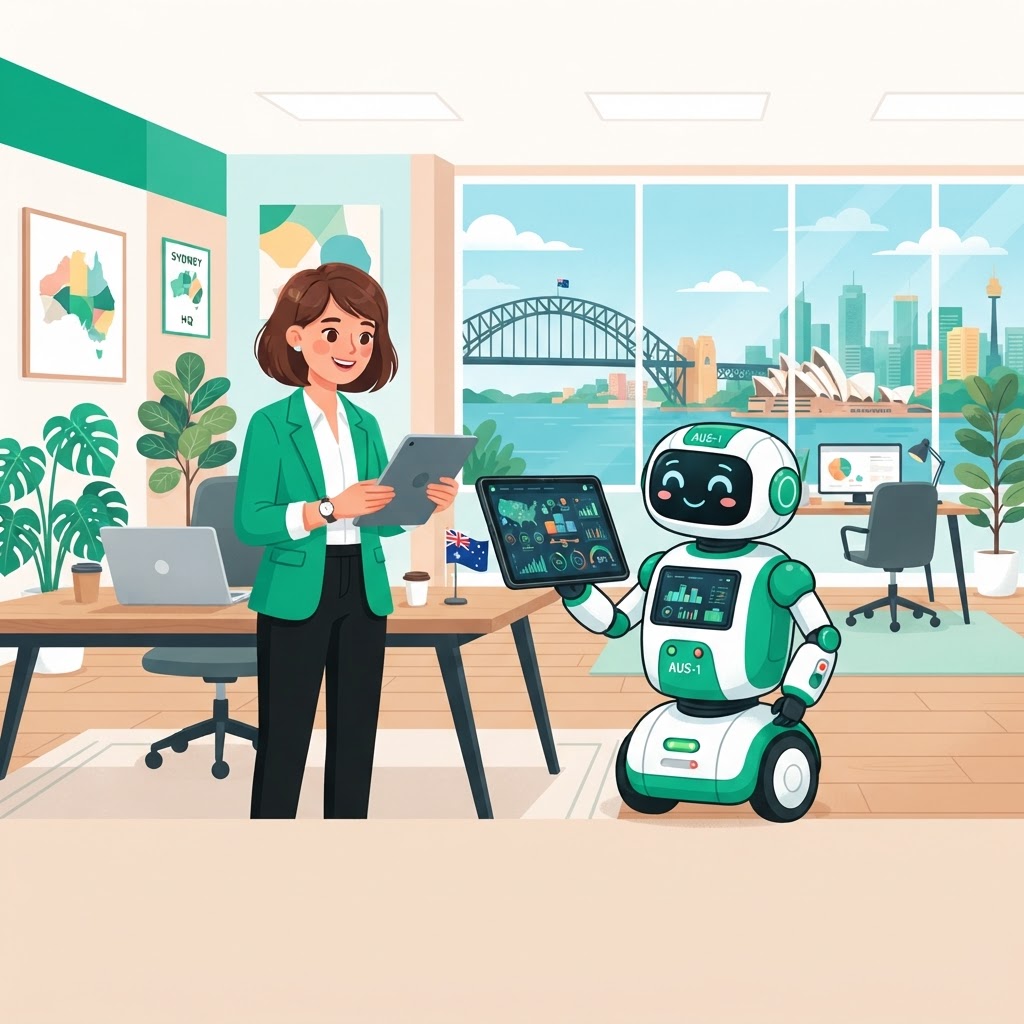
The Evolving Landscape of Australian SME Procurement
As we navigate the fiscal climate of 2026, Australian small and medium businesses are facing unprecedented pressure to maintain margins while navigating volatile global markets. Traditional manual procurement methods are no longer sufficient to keep pace with rapid digital transformation. The integration of AI procurement platforms has become the cornerstone for businesses looking to scale efficiently without ballooning their operational overheads.
For many local enterprises, the transition to automated workflows is not just about speed; it is about visibility. By leveraging AI, organisations can finally move beyond the spreadsheet-heavy manual processes that often lead to data siloes. This shift allows Australian SME procurement teams to focus on strategic initiatives rather than getting bogged down in repetitive administrative tasks that offer little return on investment.
Leveraging Spend Analysis for Financial Clarity
Effective spend analysis is the backbone of any successful procurement strategy. In 2026, AI-driven tools are doing more than just categorising expenses; they are predicting patterns and flagging anomalies that could trigger ATO scrutiny or indicate wasteful consumption. By aggregating data from across the organisation, AI provides a granular view of every dollar spent, ensuring that resources are allocated effectively across all departments.
This intelligence is crucial when dealing with local compliance requirements. When AI identifies potential cost-saving opportunities, it does so while keeping the Australian context in mind, including tax regulations and regional supply chain costs. Companies that utilise these insights find themselves better positioned to defend their financial decisions, ensuring their operations remain lean and audit-ready.
Revolutionising Consumables Sourcing with Intelligence
The procurement of indirect goods and office supplies—often referred to as consumables sourcing—is frequently an area of neglected leakage. Many SMEs inadvertently overspend on low-value, high-frequency items due to fragmented ordering habits. AI-powered platforms can now automate the replenishment process based on actual usage data, ensuring that stock levels are always optimal without overcommitting capital.
By using AI to aggregate demand, businesses gain significant buying power. This allows smaller organisations to compete on terms and pricing usually reserved for larger corporations. The key is to automate the mundane so that purchasing managers can focus on building meaningful relationships with reliable local suppliers, rather than constantly chasing invoices and delivery confirmation emails.
The Strategic Power of the Supplier Scorecard
Maintaining high performance across your supply base requires objective measurement. The implementation of an automated supplier scorecard enables procurement teams to rank vendors based on real-time data including lead times, price stability, and delivery accuracy. This objective transparency is vital for risk mitigation, especially when dealing with the unique challenges of the Australian geographic landscape.
When suppliers understand that their performance is being measured against specific metrics, they are more likely to maintain service standards. This creates a feedback loop that benefits the SME. By identifying top-tier partners early, businesses can formalise long-term agreements that provide price stability and priority service, effectively insulating the firm from external market shocks.
Competitive Sourcing via Modern Reverse Auctions
Market volatility demands innovative tools for price discovery. The reverse auction has emerged as a preferred method for Australian SMEs to secure competitive rates on high-volume requirements. Unlike traditional bidding, a digital reverse auction creates a dynamic, transparent environment where suppliers compete in real-time, often driving down costs below industry benchmarks.
This method is particularly effective for businesses that need to standardise their procurement processes while ensuring they remain compliant with modern governance standards. By integrating this into an AI-enabled portal, the entire event is documented and auditable, providing peace of mind for both management and stakeholders. It turns the negotiation process into a structured, data-led event rather than an ad-hoc conversation.
Conclusion: Embracing the Future of Procurement
The future of Australian SME success lies in the ability to marry human intuition with artificial intelligence. By adopting a proactive stance on AI sourcing, business leaders can transform their procurement function from a cost centre into a strategic engine for growth. The tools are available, the data is abundant, and the time to optimise is now.
As you plan for the remainder of 2026, consider how much of your current workflow is manual and ripe for automation. Investing in the right technology today will ensure that your business remains agile, competitive, and resilient. Start by small steps: audit your current spend, formalise your supplier metrics, and look to the cloud-based solutions that can provide the clarity your organisation needs to thrive.
Topics