Procurement 2026: Revolutionising Competitive Bidding with AI-Driven Reverse Auctions for Australian SMEs
Discover how Australian SMEs are using AI-powered reverse auctions to drive down costs and optimise procurement efficiency in the competitive 2026 market.
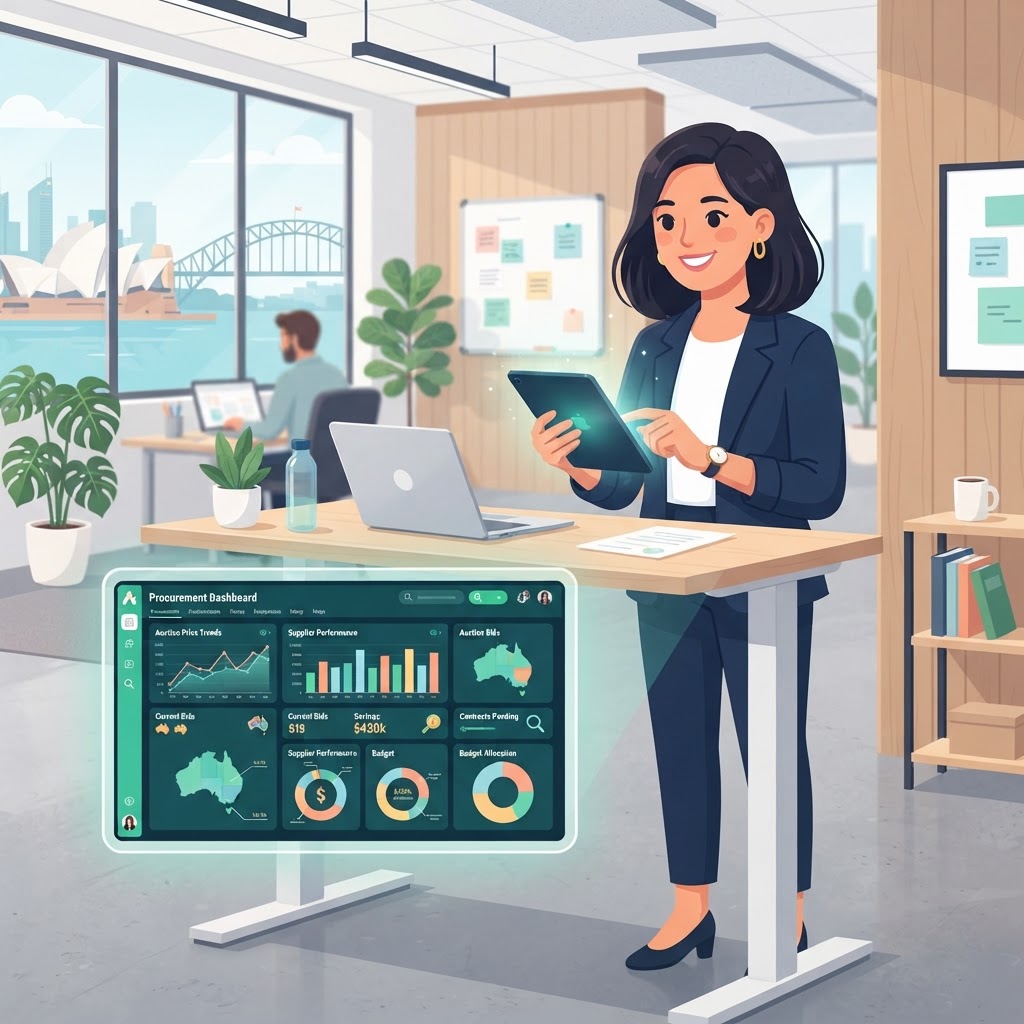
The Rise of Intelligent Bidding in Australia
As we navigate the fiscal landscape of 2026, Australian SMEs are increasingly under pressure to demonstrate fiscal rigour while maintaining operational agility. Traditional procurement methods, which often rely on static quotes and manual negotiations, are rapidly becoming obsolete. By integrating AI procurement technologies into the bidding process, local businesses are uncovering new ways to maximise value and ensure that every AUD spent is tracked against clear strategic objectives.
The shift toward dynamic, real-time negotiation platforms is not merely a trend; it is a necessity for firms looking to remain competitive against larger market players. For the modern Australian SME, the ability to leverage intelligent software to automate the solicitation of bids ensures that they are not just settling for the first price offered, but actively driving the market to provide the most competitive terms available.
Mastering the Reverse Auction for Consumables Sourcing
Consumables sourcing has long been a challenge for Australian businesses due to fragmented supplier bases and fluctuating logistics costs. Implementing a reverse auction model allows SMEs to invite multiple local and global vendors to compete in real-time, effectively lowering the price floor for indirect goods. When powered by AI, these auctions do more than just drop prices; they ensure the process is transparent and compliant with internal governance standards.
By using AI to qualify suppliers before they enter the auction room, businesses can protect their operational integrity. This automated vetting ensures that all participants meet quality standards required by the ACCC, preventing the risks associated with cheap but sub-par supplies. For an SME, this means consistent quality delivered at a fraction of the traditional cost.
Elevating Supplier Performance with Data-Driven Insights
Once a contract is awarded through an AI-driven platform, the next hurdle is performance management. A static supplier scorecard often fails to account for real-world variables like shipping delays or invoice discrepancies. By contrast, AI-enabled supplier management systems provide a living, breathing view of vendor performance, integrating directly with accounting systems to provide alerts that align with ATO reporting requirements.
These platforms allow procurement managers to track KPIs such as fulfillment accuracy, responsiveness, and pricing variance against the original contract terms. When a supplier's performance dips, the AI can automatically trigger a review, suggesting alternative vendors or opening a new sourcing cycle. This proactive approach turns supplier management from a reactive administrative burden into a strategic growth lever.
Deep-Dive Spend Analysis for Strategic Growth
Effective AI sourcing is built on a foundation of clean, actionable data. Many Australian SMEs struggle with 'shadow spending,' where decentralised departments purchase items outside of approved channels. Through AI-powered spend analysis, businesses can aggregate data from disparate sources, identifying patterns that were previously invisible. This granular visibility allows leaders to identify opportunities for bulk purchasing or vendor consolidation.
By transforming raw transaction data into visual insights, operations leaders can see exactly where costs are accumulating. This level of detail enables them to forecast demand more accurately, reducing waste and ensuring that capital is tied up in inventory only when absolutely necessary. It is about moving from gut-feeling procurement to a data-backed reality that drives profitability.
Building Resilience in a Complex Global Market
The Australian supply chain in 2026 is defined by complexity, from geopolitical shifts to domestic logistics hurdles. Resilience is no longer just about having a backup supplier; it is about having an intelligent procurement infrastructure that can pivot instantly. By digitising the sourcing strategy, SMEs can insulate themselves from market volatility and focus on scaling their core business operations.
When procurement is automated and digitised, the focus shifts from manual data entry to strategic decision-making. This human-AI partnership ensures that Australian SMEs remain lean, agile, and prepared for whatever the economic landscape presents. As we look toward the end of the year, the organisations that invest in these intelligent tools will be the ones setting the benchmark for operational excellence in the Australian market.
Conclusion: Embracing the Future of Procurement
The integration of AI into the procurement lifecycle represents a paradigm shift for Australian SMEs. Whether it is through the competitive pressure of reverse auctions or the deep insights provided by spend analysis, the path to long-term sustainability lies in embracing these digital tools. By modernising how we source and manage suppliers, SMEs can secure their supply chains and unlock significant competitive advantages.
Now is the time to transition away from legacy systems and embrace a procurement strategy that is data-rich and AI-enabled. For the Australian small-to-medium business sector, this represents more than just cost savings; it is about establishing the structural foundation required for long-term growth and success in an increasingly complex and interconnected global marketplace.
Topics