Procurement 2026: The AI-Driven Playbook for Australian SME Supply Chain Excellence
Discover how Australian SMEs are leveraging AI-driven procurement tools to automate consumables sourcing, refine supplier scorecards, and master spend analysis.
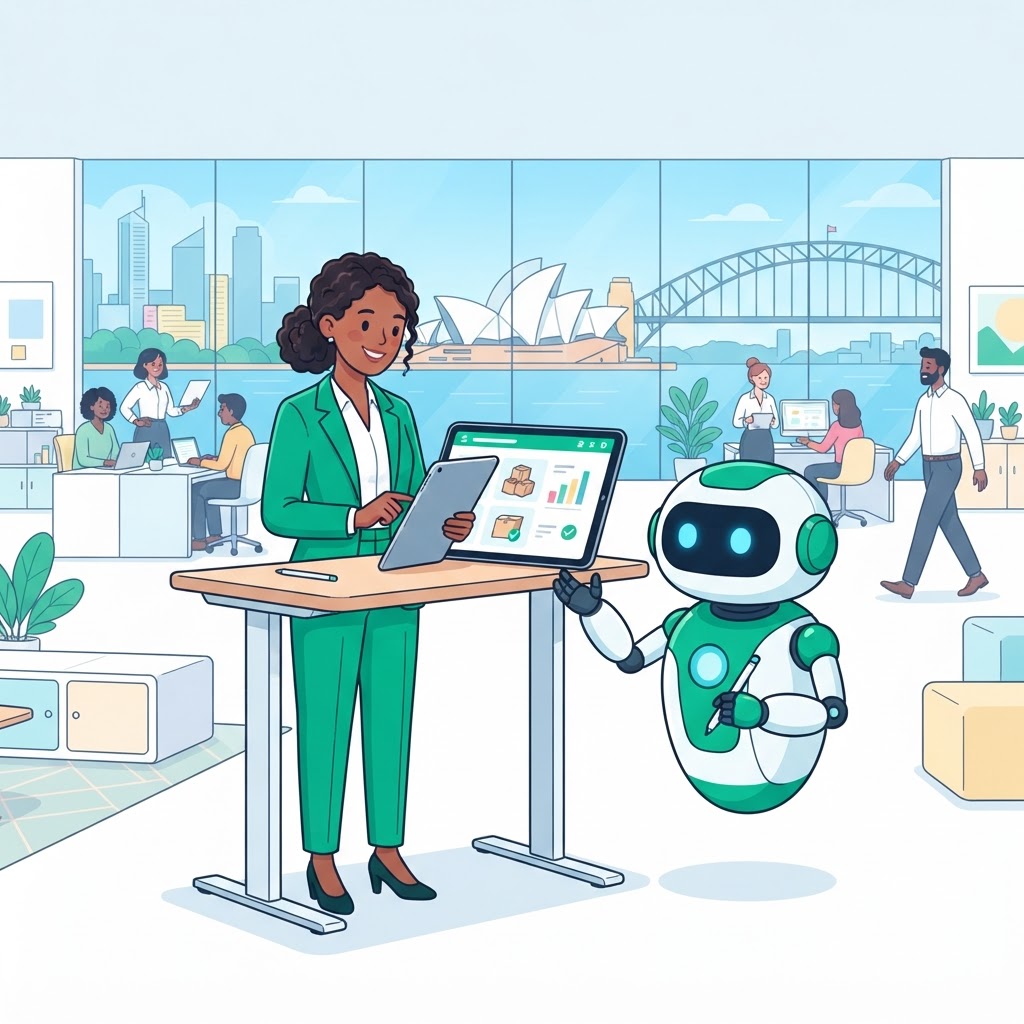
Navigating the New Era of Australian SME Procurement
As we move deeper into 2026, the Australian SME procurement landscape is undergoing a radical shift. Gone are the days of manual spreadsheets and fragmented vendor data. Today, local businesses are turning to AI procurement platforms to bridge the gap between operational efficiency and strategic growth. By digitising every facet of the purchasing cycle, SMEs can now compete on a level playing field with larger enterprises, ensuring that every dollar spent in AUD provides maximum ROI.
For the Australian operations leader, the primary challenge has always been visibility. With fluctuating shipping costs and the increasing complexity of domestic supply chains, having a bird’s-eye view of your financial commitments is vital. AI-led solutions are now providing that clarity, turning raw transactional data into actionable intelligence that helps meet compliance standards set by the ATO and ensures alignment with ACCC regulations.
Optimising Consumables Sourcing Through Machine Learning
Managing day-to-day office and operational supplies is often a hidden drain on productivity. Traditional consumables sourcing typically involves ad-hoc purchasing, which leads to maverick spend and inconsistent pricing. In 2026, AI algorithms are taking the guesswork out of these recurring orders by predicting consumption patterns based on seasonal trends and historical usage data.
By integrating predictive models into your internal procurement workflows, your team can automate reorder points, ensuring that you never run out of critical inventory while avoiding over-stocking. This transition from reactive buying to proactive replenishment allows your staff to focus on high-value tasks rather than chasing invoices or managing minor supplier discrepancies. It is a fundamental shift in how Australian SME procurement is conducted.
Enhancing Vendor Accountability with AI Supplier Scorecards
How do you measure if a supplier is truly delivering value beyond just the quoted price? The supplier scorecard has evolved from a static spreadsheet into a dynamic, AI-powered tool. In 2026, these scorecards automatically pull data from delivery logs, quality reports, and invoice discrepancies to provide a real-time health check on your entire supplier network.
This granular transparency allows you to identify which vendors are consistently hitting their KPIs and which ones are becoming a liability to your operations. By automating this oversight, you create a culture of accountability. When a supplier knows their performance is monitored by objective data, the quality of service naturally improves, fostering more reliable long-term partnerships across the Australian business ecosystem.
The Strategic Edge of AI-Powered Spend Analysis
Deep spend analysis is the backbone of any successful procurement strategy. In the past, cleaning and categorising procurement data could take weeks. With current AI capabilities, this process happens in near real-time. Leaders can now identify cost-saving opportunities by spotting patterns that would have been invisible to the human eye, such as overlapping contracts or opportunities for bulk buying discounts.
This level of intelligence enables SMEs to negotiate better terms, not just on price, but on service-level agreements. Understanding your spending behaviour is the first step toward effective category management. It allows your organisation to pivot quickly when market conditions shift, ensuring that your procurement strategy remains as agile as the business itself.
Revolutionising Negotiation via Automated Reverse Auctions
The reverse auction has long been a staple of industrial procurement, but AI is making it accessible for SMEs dealing with smaller-scale requirements. By using AI to facilitate these competitive bidding processes, businesses can drive down the cost of goods and services while ensuring they attract the most competitive bids from vetted local suppliers.
This approach isn't just about finding the cheapest price; it's about market price discovery. When multiple vendors compete in a transparent, AI-governed environment, you can be confident that your procurement team is achieving fair market value. It creates a frictionless experience that benefits both the buyer and the vendor, promoting healthier market competition across the Australian continent.
Conclusion: Building a Resilient Future
The integration of AI into your procurement function is no longer an optional luxury—it is an operational necessity. By embracing AI sourcing and leveraging automated analytics, Australian SMEs can insulate themselves against supply chain shocks and optimise their bottom line. The path to long-term success involves balancing advanced technology with the human relationships that define our unique market.
As you plan your roadmap for the remainder of 2026, start by auditing your current tools. Are they helping you see the full picture? By choosing the right AI-powered partner, you can turn your procurement department into a strategic powerhouse that supports your organisation’s vision for years to come.
Topics