The Procurement Shift: Leveraging AI for Superior Vendor Risk Mitigation in 2026
Discover how Australian SMEs are revolutionising risk management and supplier stability using AI procurement tools to navigate the complex 2026 economic landscape.
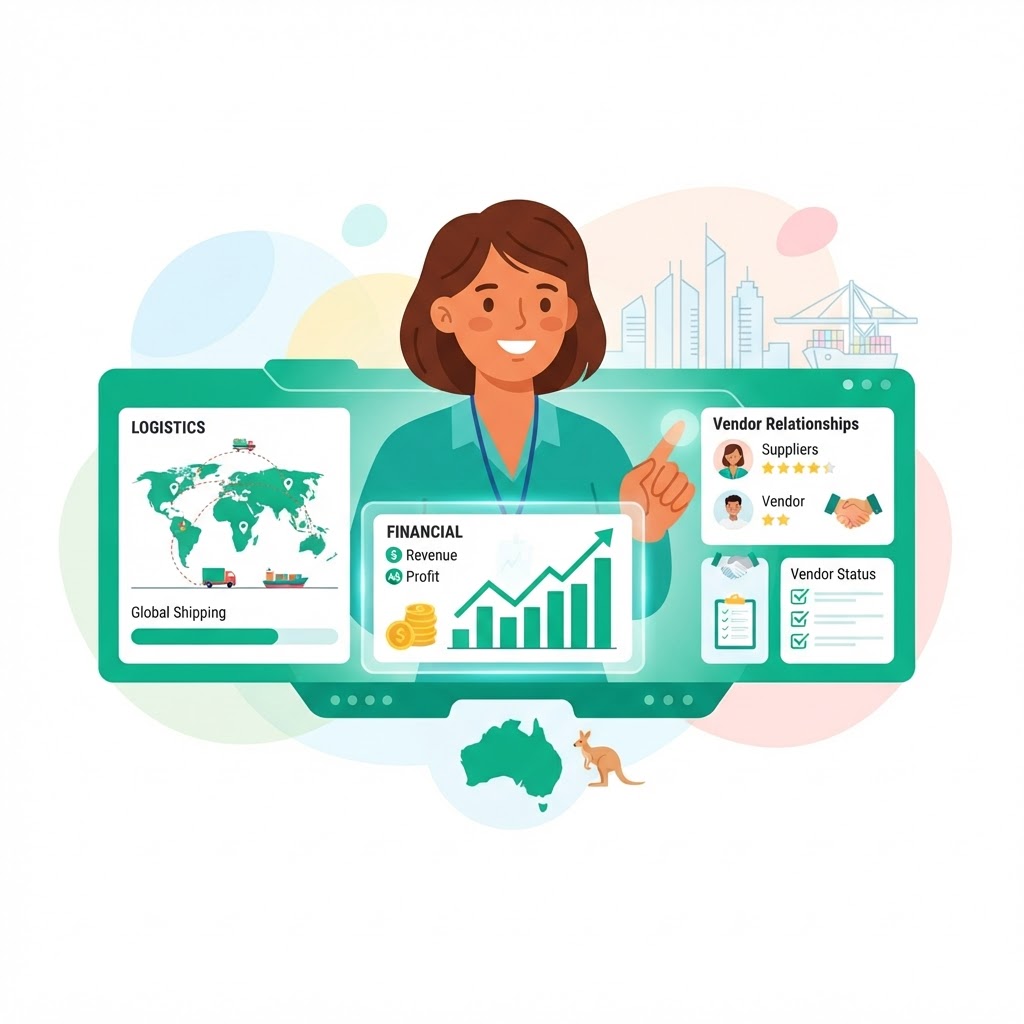
Navigating Risk in the Modern Australian Landscape
In the rapidly evolving economic environment of 2026, Australian SMEs face unprecedented challenges in maintaining supply chain stability. As global market volatility impacts the cost of goods in AUD, relying on static, manual procurement processes is no longer viable. AI procurement has emerged as the essential tool for organisations looking to move beyond simple cost-cutting and toward sophisticated, proactive risk mitigation.
By integrating machine learning into the heart of operations, business leaders can now identify potential disruptions before they manifest. Whether it is a looming regional supply chain bottleneck or a shift in regulatory compliance mandated by the ACCC, AI systems provide the foresight necessary to adjust strategies in real-time. This proactive stance ensures that your business remains agile, protecting both your bottom line and your reputation.
The Critical Role of AI Sourcing in Vendor Stability
Effective AI sourcing is far more than just finding the cheapest price for consumables. It involves a holistic evaluation of the entire supplier ecosystem. By utilising predictive analytics, AI can assess the financial health, geographic risk, and delivery reliability of thousands of potential vendors simultaneously. This allows Australian procurement managers to identify and onboard partners that provide genuine value rather than just the lowest quote.
Furthermore, AI tools can continuously monitor external data sources—such as industry news, logistical delays, and even climate-related impacts—to provide an ongoing health check on your supplier network. For an Australian SME, this means having the confidence that your consumables sourcing strategy is supported by robust, reliable partnerships that can withstand unexpected shocks, ensuring that your operations never grind to a halt.
Refining Vendor Relationships with the Supplier Scorecard
A static vendor spreadsheet is a relic of the past. Today, the dynamic supplier scorecard is the gold standard for performance management. Modern AI-driven platforms automatically update scorecards based on live delivery data, invoice accuracy, and quality compliance. This objectivity removes the guesswork and interpersonal bias from vendor management, allowing for data-backed conversations during contract renewals.
By tracking KPIs through an automated lens, your organisation can hold suppliers accountable to the specific standards agreed upon in your contracts. If a supplier begins to underperform, the AI will alert your team immediately, providing the opportunity to address issues before they become systemic. This level of transparency is essential for maintaining high-quality operations and ensuring that your procurement spend is consistently optimised for performance.
The Strategic Edge: Reverse Auction Dynamics
While the concept of a reverse auction is not new, AI has completely transformed how it functions for the modern Australian SME. In 2026, AI-driven platforms can orchestrate complex, multi-variable auctions that consider lead times, ESG compliance, and quality metrics alongside price. This ensures that you are not just getting the lowest cost, but the best overall value for your organisation.
These auctions create a fair, competitive environment that encourages suppliers to offer their best terms. For SMEs, this is a game-changer, as it levels the playing field against larger competitors by automating the negotiation process. With AI handling the heavy lifting of price discovery and comparison, your team can focus on the higher-level strategic work of building long-term alliances with your most vital suppliers.
Harnessing Spend Analysis for Long-Term Growth
Understanding where every AUD is spent is the foundation of sustainable growth. Comprehensive spend analysis, powered by artificial intelligence, categorises complex expenditure across your entire enterprise. This visibility highlights inefficiencies, identifies opportunities for bulk purchasing, and flags irregular spending patterns that might be non-compliant with ATO reporting requirements.
When you have a granular understanding of your spend, you can transform your procurement function from a cost centre into a strategic growth driver. AI can suggest areas for consolidation, predict future price trends based on historical data, and help you negotiate better rates by demonstrating a clear, forecasted demand. Ultimately, mastering your spend data is the key to maintaining a competitive edge in an increasingly crowded market.
Conclusion: Embracing the Future of Procurement
The procurement landscape for Australian SMEs in 2026 is defined by the integration of technology and human expertise. By embracing AI procurement, your organisation can move away from reactive firefighting and toward a model of strategic foresight. Whether through automated supplier monitoring, intelligent spend analysis, or sophisticated auction dynamics, AI provides the infrastructure necessary to succeed in a demanding global market.
Investing in these technologies today is not merely about staying current; it is about building a resilient, scalable, and highly efficient operation that is ready for the future. As you continue to refine your sourcing strategies, remember that the most successful businesses are those that combine the efficiency of AI with the strategic vision of their human teams to deliver consistent, long-term value.
Topics